
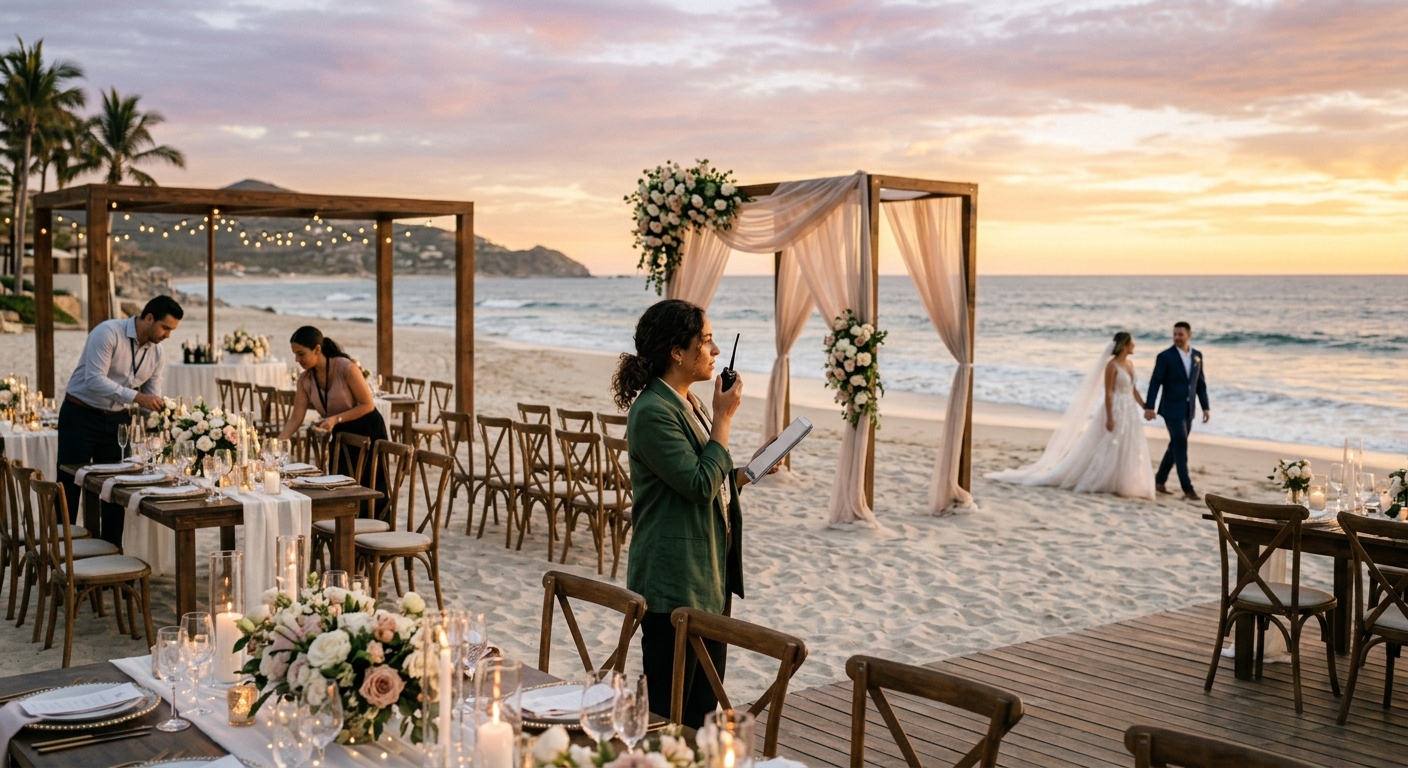
Destination weddings are no longer just a luxury trend—they’ve become a dream experience for couples who want something intimate, memorable, and truly unique.
But behind the breathtaking views and curated experiences lies a complex planning process that requires precision, adaptability, and strong coordination skills.
For event planners, destination weddings can be incredibly rewarding—but only if approached with the right strategy.
Here’s everything you need to know to plan a seamless destination wedding.
1. Understand the Location Inside Out
Every destination comes with its own set of rules, culture, and challenges.
Before you start planning:
Research local laws and marriage requirements
Understand weather patterns and seasonal changes
Explore venue accessibility and transportation options
A beautiful location is only valuable if it’s practical for both the couple and their guests.
2. Build a Reliable Local Vendor Network
One of the biggest challenges in destination weddings is vendor coordination.
Flying vendors from another city or country can increase costs significantly. That’s why building a trusted local vendor network is essential.
Focus on:
Local photographers and videographers
Catering teams familiar with the venue
Decorators who understand the climate and setup limitations
Strong local partnerships reduce risk and improve execution.
3. Plan Travel and Accommodation Early
Unlike traditional weddings, destination weddings require careful travel planning.
As a planner, you should guide couples on:
Booking hotel blocks for guests
Coordinating airport transfers
Sharing detailed travel itineraries
Clear communication here makes a huge difference in guest experience.
4. Create a Flexible Timeline
Destination weddings are more prone to delays—flights, weather, and logistics can all impact the schedule.
Your timeline should:
Include buffer time between major events
Account for travel fatigue
Be adaptable to last-minute changes
A rigid timeline can quickly fall apart in a destination setting.
5. Think Beyond the Wedding Day
Destination weddings are usually multi-day experiences, not just a single event.
Common events include:
Welcome dinner
Pre-wedding ceremonies
Post-wedding brunch
Planning these experiences helps create a complete and memorable journey for guests.
6. Focus on Guest Comfort
Guests are traveling long distances to attend. Their comfort should be a top priority.
Consider:
Easy check-ins at hotels
Clear schedules for all events
Local guides or welcome kits
A well-managed guest experience elevates the entire wedding.
7. Prepare for the Unexpected
Weather changes, vendor delays, and travel disruptions are more common in destination weddings.
Smart planners always have:
Backup venues (especially for outdoor setups)
Contingency plans for key vendors
Emergency kits and contact lists
Preparedness is what separates good planners from great ones.
Final Thoughts
Destination weddings offer a unique opportunity to create deeply memorable experiences—but they also demand a higher level of planning and coordination.
When done right, they feel effortless, elegant, and unforgettable.
For planners, success comes down to preparation, flexibility, and the ability to manage multiple moving parts across locations.
Because at the end of the day, it’s not just about the destination—it’s about delivering an experience that feels seamless from start to finish.