
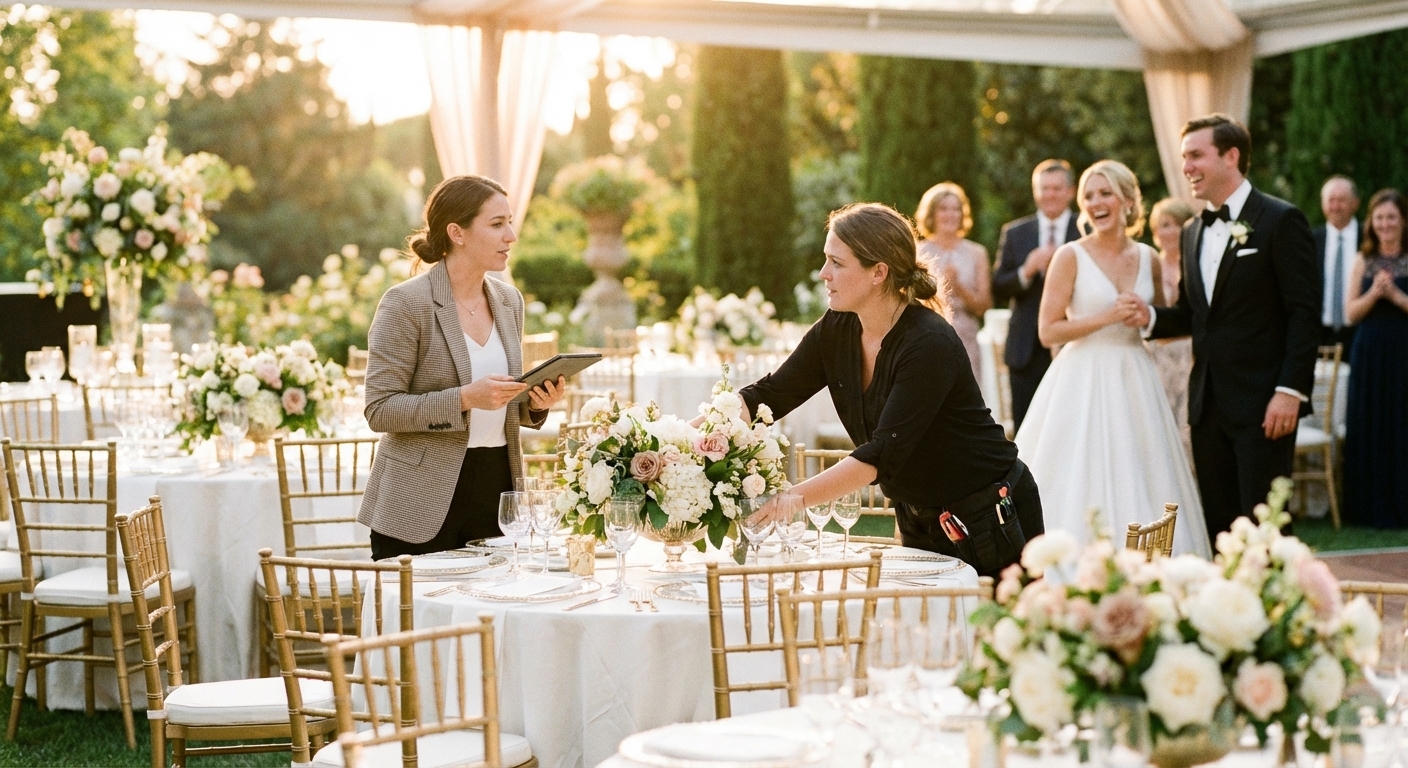
Planning a wedding is equal parts creativity, logistics, and emotional intelligence. Couples often see the glamorous side—the flowers, the dress, the perfectly arranged tables. But planners know the truth: behind every seamless wedding is a carefully orchestrated system of timelines, vendors, budgets, and last-minute problem solving.
Over the years, experienced planners develop habits that make the difference between a chaotic wedding day and one that flows effortlessly. Here are seven practical tips that can make your planning process smoother and your clients happier.
1. Start With a Clear Timeline
Every successful wedding begins with a well-structured timeline. Without it, even the smallest tasks can spiral into delays.
Break the planning process into phases like:
12–9 months before the wedding
6 months before
3 months before
Final week
Day-of schedule
A structured timeline helps planners prioritize tasks, coordinate vendors, and ensure nothing falls through the cracks.
2. Manage Vendor Relationships Carefully
Vendors are the backbone of every wedding. Photographers, caterers, florists, DJs, decorators—each one plays a critical role.
Great planners focus on:
Clear communication
Written agreements
Confirmations before the wedding week
Strong vendor relationships also help when unexpected situations arise.
3. Keep the Budget Visible at All Times
Budgets are one of the biggest stress points for couples.
Instead of reviewing costs at the end of planning, track them continuously. When planners keep budget updates transparent, couples feel more confident and in control.
Always categorize expenses such as:
Venue
Catering
Decor
Entertainment
Photography
Small adjustments early can prevent major surprises later.
4. Expect Last-Minute Changes
Even the most organized weddings face unexpected changes.
Common last-minute issues include:
Vendor delays
Weather changes
Guest count adjustments
Timeline shifts
The best planners prepare backup options in advance so they can respond calmly instead of reacting under pressure.
5. Communicate Clearly With the Couple
Couples often feel overwhelmed by the planning process. A planner’s role is not just organizational—it’s also emotional support.
Regular check-ins help maintain clarity:
Monthly updates during early planning
Weekly updates closer to the wedding
Final confirmations in the last week
This builds trust and prevents misunderstandings.
6. Simplify Guest Logistics
Guest experience can define how memorable a wedding feels.
Think about the details that guests often notice:
Smooth seating arrangements
Clear signage
Easy check-in
Comfortable flow between ceremony and reception
When guest logistics are smooth, the entire event feels more polished.
7. Focus on the Couple’s Vision
It’s easy to get caught up in trends—Pinterest boards, Instagram decor, luxury venues.
But every wedding should reflect the couple’s story. The best planners listen carefully and translate that vision into an experience that feels personal and authentic.
At the end of the day, weddings aren’t just events. They are emotional milestones.
Conclusion
Wedding planning is one of the most rewarding—and demanding—careers in the event industry. The planners who succeed long term are those who master organization, communication, and calm decision-making under pressure.
With the right systems in place, planners can focus less on chaos and more on what truly matters: creating unforgettable celebrations for their clients.